
Homeowners, renters, condo, and landlord insurance in Massachusetts.
See how homeowners insurance, renters insurance, condo coverage, and landlord protection differ so you can pick the right policy for your situation.
Each property type comes with a different set of gaps to watch for, and the right policy depends on what you own or rent.
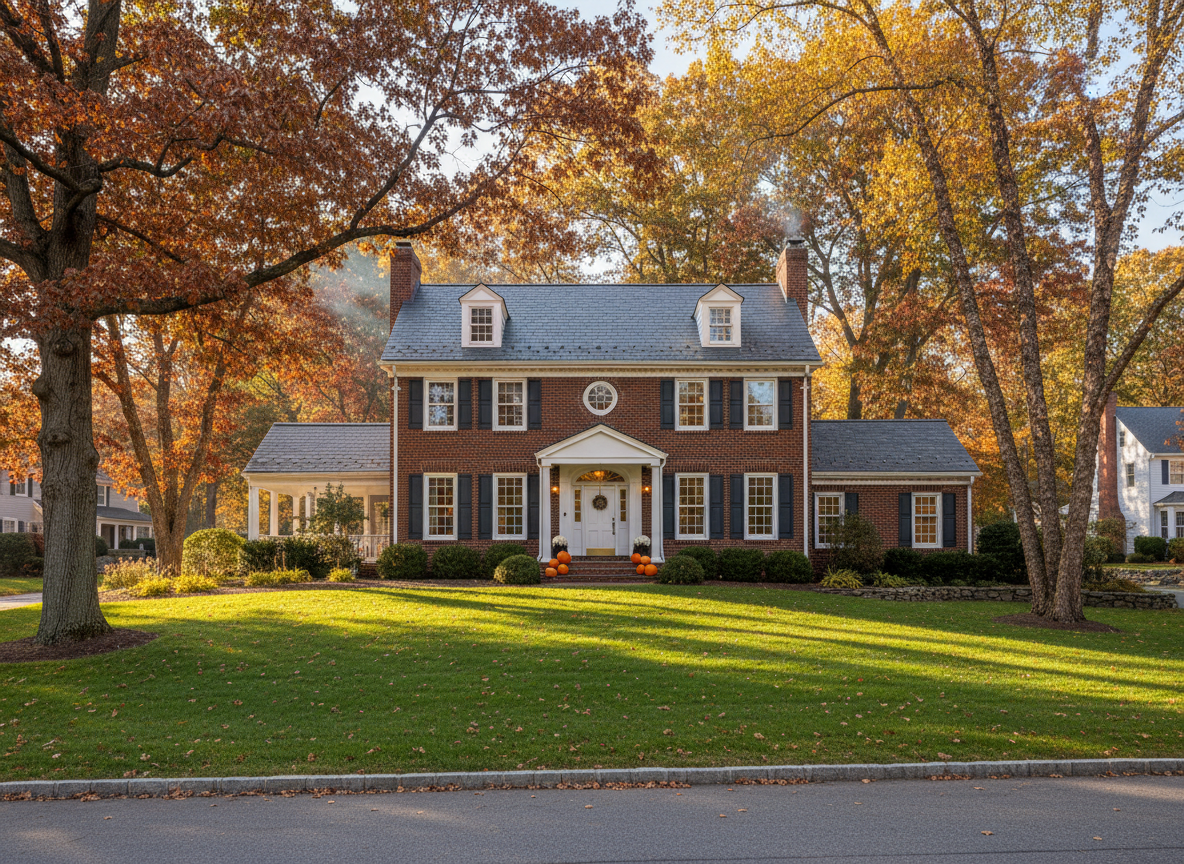
Choose the property situation first, then compare the coverage conversation.
Use the selector to move between homeowners, renters, condo, and landlord coverage without turning the page into four separate cards.
This comparison is meant to simplify the differences, not replace final policy language.
Homeowners coverage usually centers on the dwelling, personal property, liability, and additional living expenses. The details depend on the house, the rebuild cost, and what you want to protect.
The core pieces that often show up in these policies.
These are the concepts clients usually need to understand before choosing a policy structure.
The building itself or the part of the property the policy is intended to protect.
Furniture, clothes, electronics, and other items inside the home or unit.
Protection if someone gets hurt or property is damaged and you may be responsible.
May help with temporary living costs if a covered loss makes the space unlivable.
An important discussion point for basements, lower levels, and finished spaces.
The policy approach that may matter when repair or replacement costs rise after a loss.
The property policy type usually follows the kind of place you live in.
Homeowners, renters, condo, and landlord policies each protect different interests in the property. The main job is to address the structure, contents, and liability tied to the situation in the right way for that form of ownership or occupancy.
Used when you own and live in the house yourself.
Protects your belongings and liability when you rent an apartment or house.
Fills the gaps between the association policy and the unit owner’s responsibility.
The details that shape the policy and price.
What you own, whether there is a mortgage, how much the home is worth to rebuild, and whether you rent it out are all important factors.
How the building itself is protected if something serious happens.
The furniture, clothes, electronics, and other items inside the space.
Protection if someone gets hurt or property is damaged and you may be responsible.
Additional coverage considerations.
Some households benefit from a little more coverage in the right places, especially for water-related issues or higher rebuild costs.
Can be important for basements and finished lower levels.
The way replacement cost is handled can matter when repair or rebuild costs rise after a loss.
Higher limits or scheduled items may be relevant for households with more valuable belongings.
Why the Massachusetts conversation matters.
Homes here often face winter weather, older systems, or property layouts that need extra attention. The policy should reflect the actual property, not just a generic template.
Cold weather, snow, and storm-related issues can influence the policy discussion.
Condos may have master policy gaps worth reviewing closely.
Landlords need a policy that matches the way the property is occupied.
A few documents make the review easier.
If you have your current declarations page, mortgage details, or a list of improvements, we can move faster.
Your existing declarations page or renewal notice.
Whether it is a primary home, condo unit, rental, or tenant-occupied property.
Renovations, roof changes, heating updates, or anything else that may matter.
Coverage should match how the property is actually used.
The right policy depends on the space, the people in it, and the risks that matter most. We help explain the differences in plain English.
“We explain the differences so you can choose what makes sense.”
Helpful links for the next conversation.
Start a quote if you are shopping, or review your current coverage if you want a second look first.